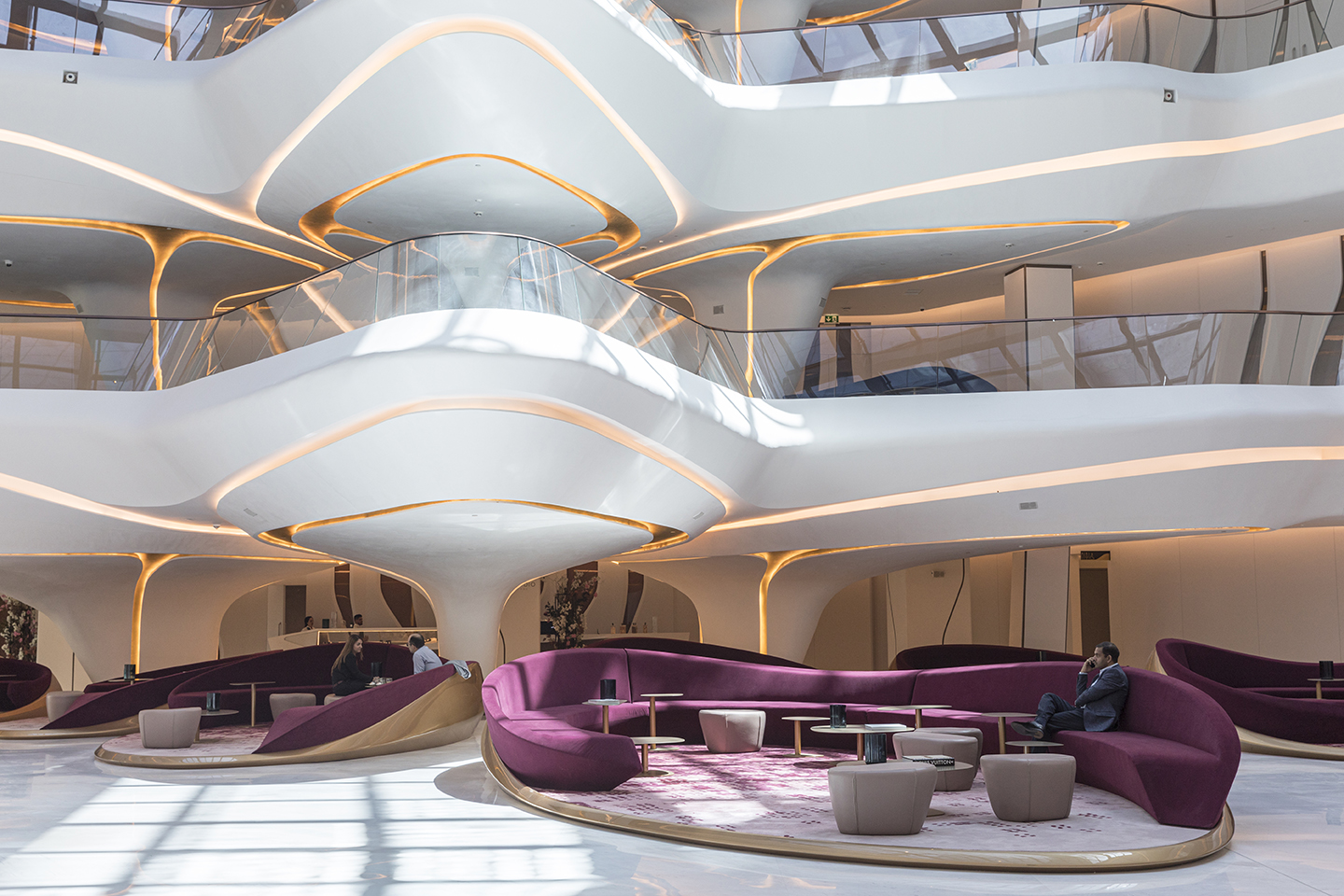
Our vision for an ideal university would be extraordinarily difficult to accomplish alone, considering the substantial amount of funding and resources it would necessitate. In December of 2024, I wrote a private research and whitepaper document regarding options for executing my vision of an ideal university, as well as specific details regarding its design. The goal, as mentioned, was to explore the best possible options for making this university a reality, without sacrificing its core principles and its mission of inspiring. As of today, I believe that this vision of an ideal university can eventually become a reality assuming a team of highly motivated and skilled people is assembled in the future, which would make up Sora. However, it is worth considering pursuing our vision not solely through the creation of our own international university, but also through partnerships with existing ones.
A vision and path of maximum inspiration should not be limited to us. Everybody, worldwide, regardless of their circumstances, should be able to pursue a path of excitement, futurism, and inspiration. Partnering with existing universities and aiding them in maximizing modernity, futurism, inspiration, and excitement, for both students, researchers, staff, and more, helps us to achieve our goal of inspiration worldwide.
When you wake up in the morning, you should be excited for the future, in an atmosphere focused on it. As implied in my article regarding Duke Kunshan University, which is potentially the closest any university has gotten to this vision, an atmosphere of inspiration in every aspect is crucial for inspiring, motivating, and giving people a reason to look forward to tomorrow. Most universities today, even the so-called prestigious ones, do not embody these values of inspiration in a significant or meaningful way.
You may ask something along the lines of specifically how partnerships with existing universities would benefit them and increase inspiration, and what I even mean by this word "inspiration" that I keep repeating. To start, architecture is a core component of a maximally inspirational environment. Below is an excerpt from my previous article regarding Duke's joint campus in China:
Presently, a concerning number of prestigious universities in the United States and beyond place a very weak emphasis on the significance of a modern, international education that gives students and researchers the best possible opportunities in countless aspects, even beyond academia. Well-known universities such as Harvard undeniably carry immense historical weight, though they remain stuck with aging campuses, deteriorating infrastructure, and outdated architecture. While old buildings, for example, can very well hold charm and tradition, architecture is more than mere aesthetics; it shapes how people feel, think, and collaborate. A future-oriented university should create an environment that feels alive with possibility, one that inspires innovation, global thinking, and bold ideas the moment you step on campus. This, essentially, is practically nonexistent, not just in the US, but anywhere.
Of course, physical architecture is just one of many factors that shape a university's environment and atmosphere. A modern university should also, for example, have advanced infrastructure and be technologically up to date in every aspect. Here are just some additional examples of what this means specifically:
- Physical Infrastructure: Modern universities should maintain and constantly improve their physical transportation systems and campus facilities for efficiency, practicality, modernity, future expansion, and more. We believe that rather than old-style buses for transporting students from one part of a campus to another, there should be autonomous electric shuttles or small modern rail systems that are faster, eco-friendly, and scalable for future growth. After all, with such high tuition at modern-day prestigious universities, it would seem that this would be the bare minimum expected.
- Intelligently Organized Campus Layout: Academic, residential, and other facilities should be placed intelligently, minimizing unnecessary distance, improving accessibility, and leaving clear space for future expansion.
- Digital Infrastructure: Most universities today have terrible digital infrastructure. The hardware itself is often outdated, slow, and poorly maintained. On the software side, systems like login portals and online services are unintuitive, lack seamless integration, ignore user-centric design, and miss many standard features found in modern platforms. This creates a daily burden for students, researchers, and faculty who are forced to work with ugly, outdated, and frustrating systems.
- No Bureaucracy or "Busy Work": The majority of universities today are overly bureaucratic, and many executives and staff members in general are given mere busy work to deal with all day. University operations behind the scenes should be maximally efficient, straightforward, and modern. Being overly bureaucratic hinders progress and keeps universities trapped in the past with horribly slow decision making and execution, outdated processes, wasted resources, and much more. This creates frustration, lowers morale, and prevents institutions from adapting quickly to new challenges and opportunities. We must eliminate unnecessary layers of approval, automate repetitive tasks, and focus on truly meaningful work to maximize innovation, enthusiasm, student and researcher outcomes, and stay not only competitive but also fundamentally meaningful.
There are many more examples, these are just some of the primary ones. Ultimately, the goal is not just to improve individual universities but to spark a global shift in how education is designed and experienced. Although we may begin by partnering with existing institutions to start the wave of modern education, our vision extends far beyond incremental improvements. We aim to transform the university experience and purpose into an incredibly exciting and meaningful one, alive with opportunity, not just within academia, but in every aspect of life. Through these partnerships, we can lay the foundation for a new era of education that is as inspiring and exciting as it is impactful, ensuring that inspiration becomes a universal standard, not a rare exception.
In the coming years, we hope to establish our first partnership with a university that is willing to embrace a bold vision for the future, built around inspiration, excitement, and a commitment to transforming the very definition of a university at its core. This could mean reimagining an existing institution or partnering with one that already reflects these principles, creating a model that pushes the boundaries of what higher education can be. More details are to come.